As Barcelona gets back into its rhythm after the summer, the city’s museums are also welcoming a new season filled with exciting things to discover. Over the next three months, the Articket museums offer a diverse programme, with exhibitions that invite you to discover essential artists, rediscover lesser-known figures, explore new perspectives on architecture and heritage, and reflect on some of the major challenges of our time. Six museums and six good reasons to return to the galleries this autumn. Mark your calendar and discover the exhibitions you won’t want to miss!
Charlotte Perriand. The Freedom to Rethink the World
Fundació Joan Miró · From 10 October 2026 to 28 February 2027
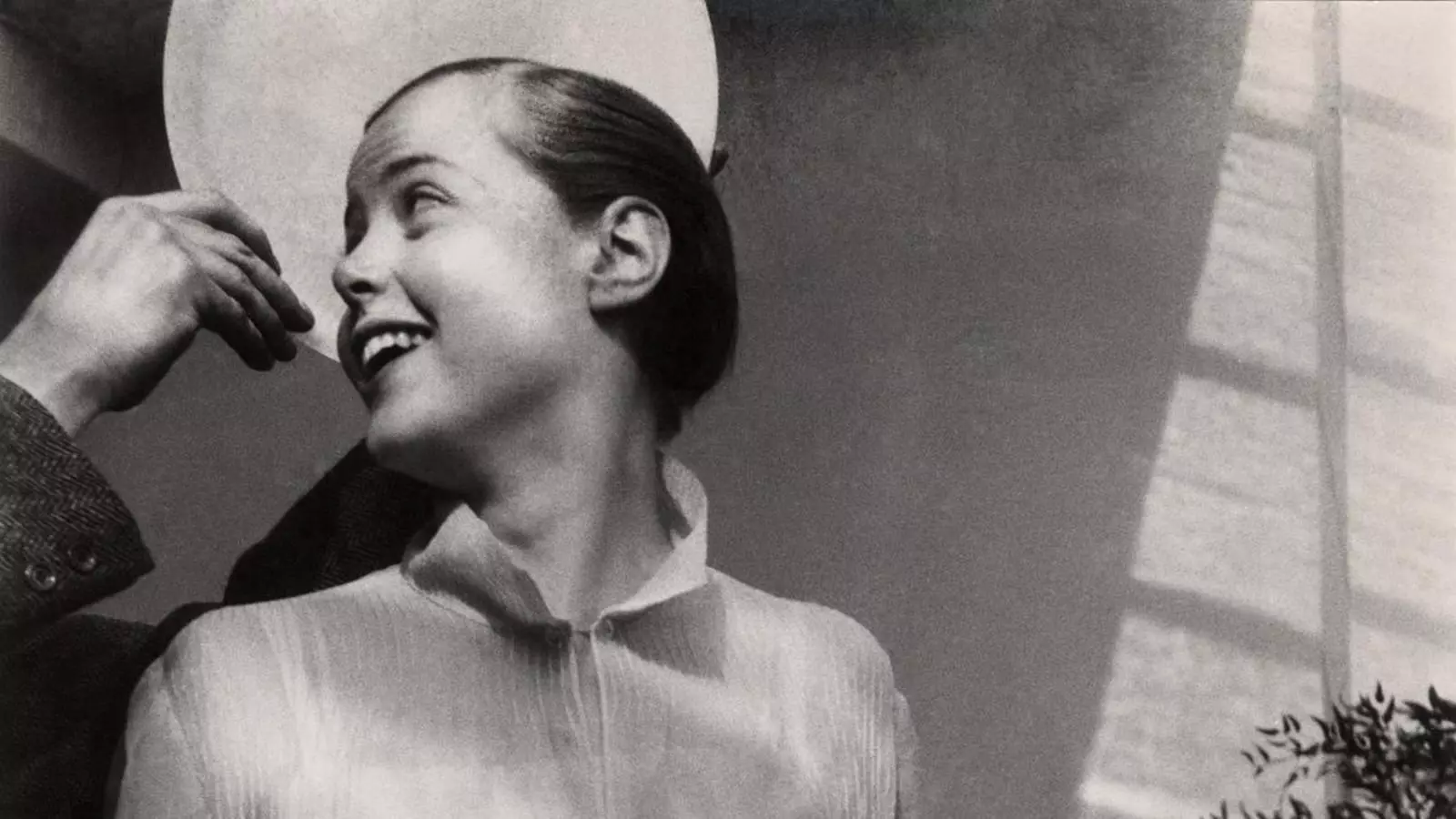
How do we want to live? And how can design help us live better? The Fundació Joan Miró is dedicating its major autumn exhibition to Charlotte Perriand, one of the most distinctive figures in modern architecture and design. A pioneer in a male-dominated field, Perriand worked with Le Corbusier and championed a conception of architecture in which art, design and everyday life could not be separated.
Her work is rooted in an idea that remains remarkably relevant today: the spaces we inhabit can also transform the way we live. In the context of Barcelona World Capital of Architecture 2026, the exhibition offers a particularly timely perspective on architecture as a space for living.
📍Why shouldn’t you miss it?
Because Charlotte Perriand continues to raise highly relevant questions about how we want to live and inhabit our spaces. Her advocacy of a more functional, accessible design connected to everyday life resonates with some of the major contemporary challenges facing architecture.
Picasso and Architecture
Museu Picasso · From 20 November 2026 to 7 March 2027
Picasso did more than transform painting. His work also had a profound influence on the way space was understood and, particularly, on modern architecture. Picasso and Architecture explores this relationship through six sections addressing issues such as the city, interiors, space and the synthesis of the arts. One of the key figures is Le Corbusier, the modern architect who most deeply incorporated the Picassian universe into his work.
The Museu Picasso invites us to discover Picasso from another perspective and understand the extent to which painting and architecture shared, throughout the 20th century, a common desire to transform the way we see and inhabit the world.
📍Why shouldn’t you miss it?
Because it allows us to understand Picasso from a less familiar perspective: not only as a painter, but as an artist who profoundly influenced modern approaches to space, the city and architecture. It also connects directly with the programme of Barcelona World Capital of Architecture 2026.
Aurèlia Muñoz. Ens
MACBA · From 5 November 2026 to 29 March 2027
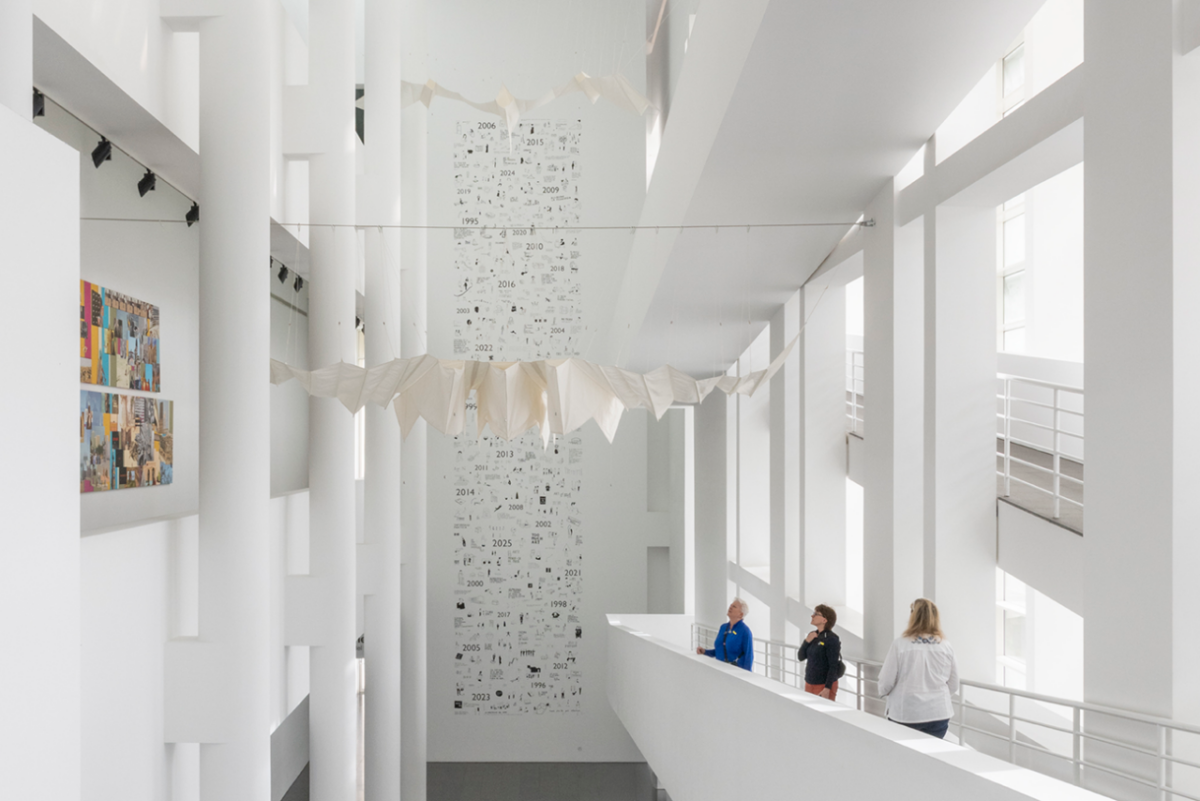
As part of the Aurèlia Muñoz Year, the MACBA presents Ens, a major retrospective dedicated to one of the most relevant artists of the 20th century, whose career was internationally recognised and whose work is held in institutions such as MoMA. The exhibition spans more than fifty years of her multifaceted practice and offers an unprecedented view of her legacy, from her early collages and large-scale pictorial embroideries to her macramé structures, emblematic bird-kites, handmade paper works and an extensive selection of drawings and models.
The exhibition highlights the experimental and visionary nature of Muñoz’s work, which took her exploration of materials and structures far beyond textiles. Her works occupy space, unfold and invite movement, creating connections between art, architecture, the body, landscape and technique. In Barcelona, the exhibition brings the centenary of her birth to a close.
📍 Why shouldn’t you miss it?
Because Ens reveals the extraordinarily contemporary dimension of Aurèlia Muñoz’s work. Her research into materials, space and form anticipated issues that remain highly relevant today, including feminism, gender politics, environmental awareness, interspecies relationships and sustainability.
Jujol, by Perejaume
MNAC · From 26 November 2026 to 29 March 2027
Josep Maria Jujol is one of those figures who are difficult to classify: an architect, artist and craftsman at once, he developed a radically personal approach to creation. Now Perejaume turns his attention to him. Jujol, by Perejaume is the first major exhibition devoted to Jujol at the Museu Nacional since the incorporation of his extensive documentary archive, bringing his work into dialogue with the perspective of a contemporary artist particularly sensitive to the relationships between art, nature, territory and matter.
The exhibition will include works by Jujol from his legacy, as well as works by other architects and artists, including Gaudí, Bruno Taut, Vladimir Tatlin and Henri Matisse. An exhibition through which to discover Jujol, but also to ask ourselves what it means to look at an artist from the past through the eyes of the present.
📍Why shouldn’t you miss it?
Because it brings back into focus an essential figure in Catalan architecture and places him in dialogue with a contemporary perspective. The dialogue between Jujol and Perejaume challenges the boundaries between architecture, art, nature and craftsmanship, revealing a body of work that remains radically distinctive today.
The Atomic Age
CCCB · From 26 November 2026 to 17 May 2027
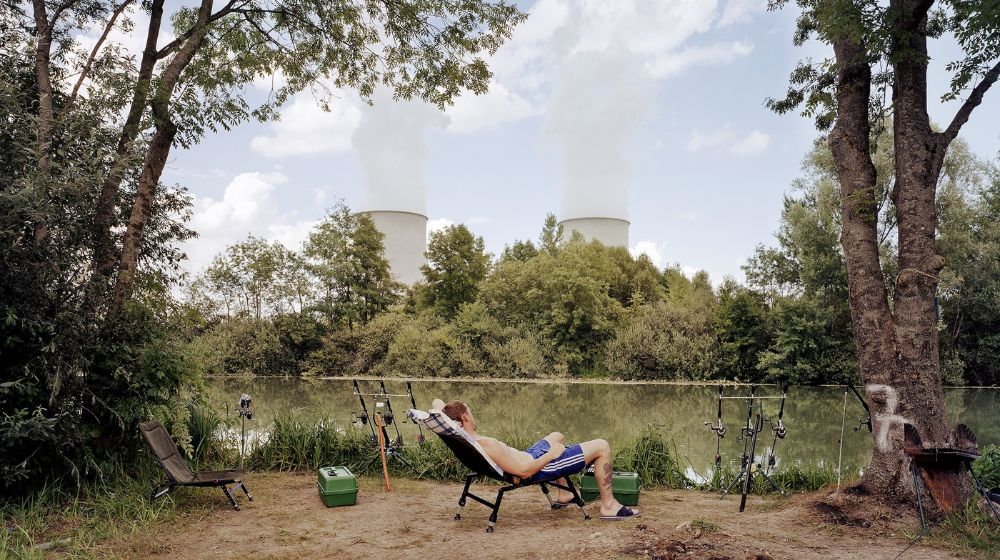
The atom is invisible. Yet its consequences have forever changed the way we understand the world. The Atomic Age begins with the detonation of the first atomic bomb in 1945 to explore how discoveries in physics and the emergence of nuclear energy also transformed 20th-century culture and art.
The exhibition at the CCCB explores artists’ responses to a new reality: the fascination with science, the representation of what we cannot see, the experience of the sublime and, also, an awareness of humanity’s capacity for destruction. It offers a perspective connecting art, science, politics and culture and, decades later, continues to raise highly relevant questions about progress, technology and the future of the planet.
📍Why shouldn’t you miss it?
Because it allows us to understand how science and technology have transformed culture, while confronting us with a question that remains as relevant as ever: what happens when scientific knowledge dramatically expands what we are capable of doing?