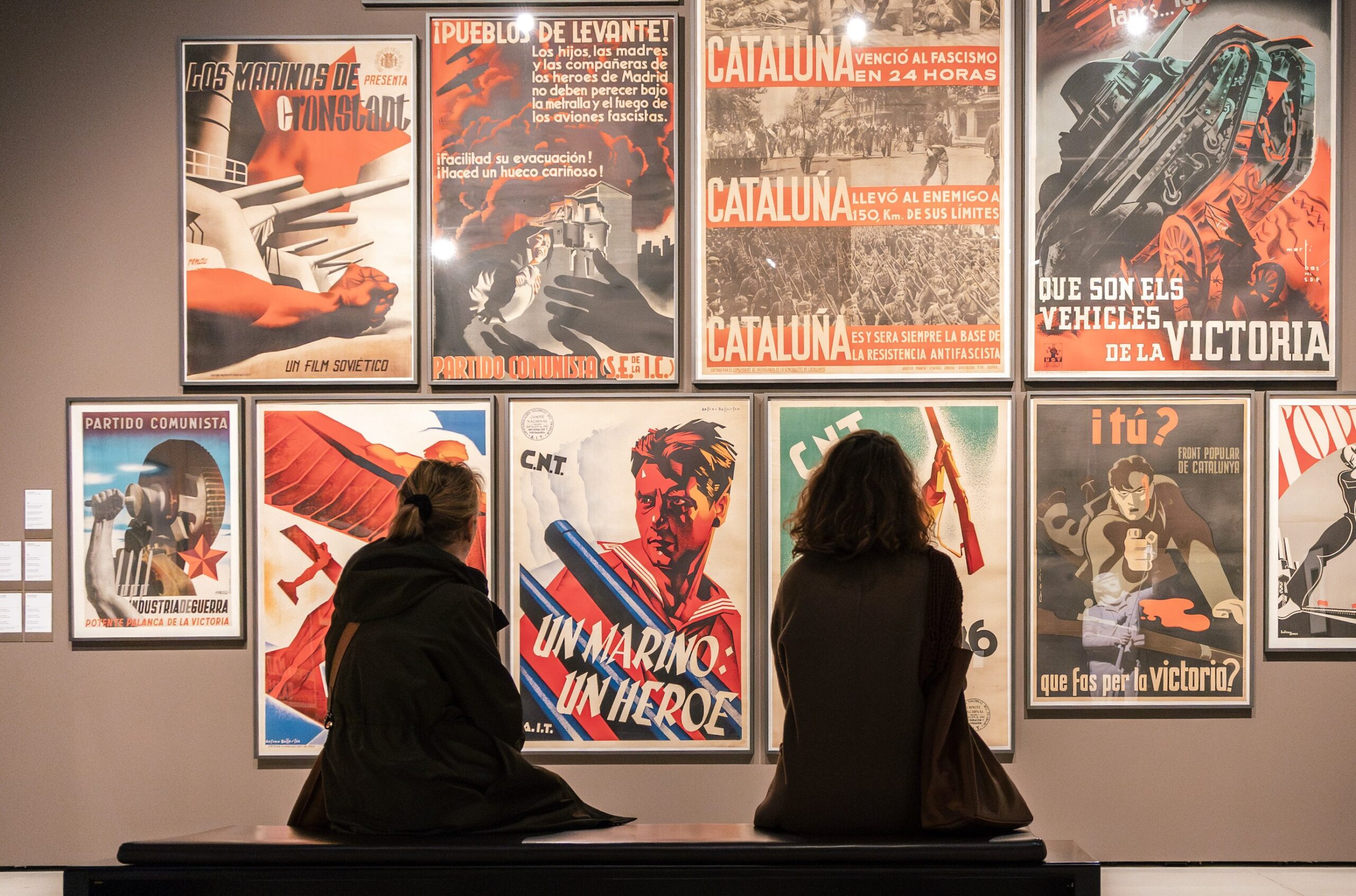
When was the last time you spent a few minutes contemplating a work of art without checking the time? In a world that constantly pushes us to move faster, slow art invites us to rediscover the value of time, awaken our curiosity and build a more personal connection with art. A philosophy that also offers us a different way to experience Barcelona.
The art of slowing down and looking closer
We live surrounded by images. We see hundreds, perhaps thousands, every day, but how many leave a lasting impression? We have grown accustomed to moving quickly from one stimulus to another, collecting experiences and trying to make the most of every minute. Even when visiting a museum, we often feel that we need to explore every gallery and make sure we don’t miss any of the must-see masterpieces. But what if we changed the rules?
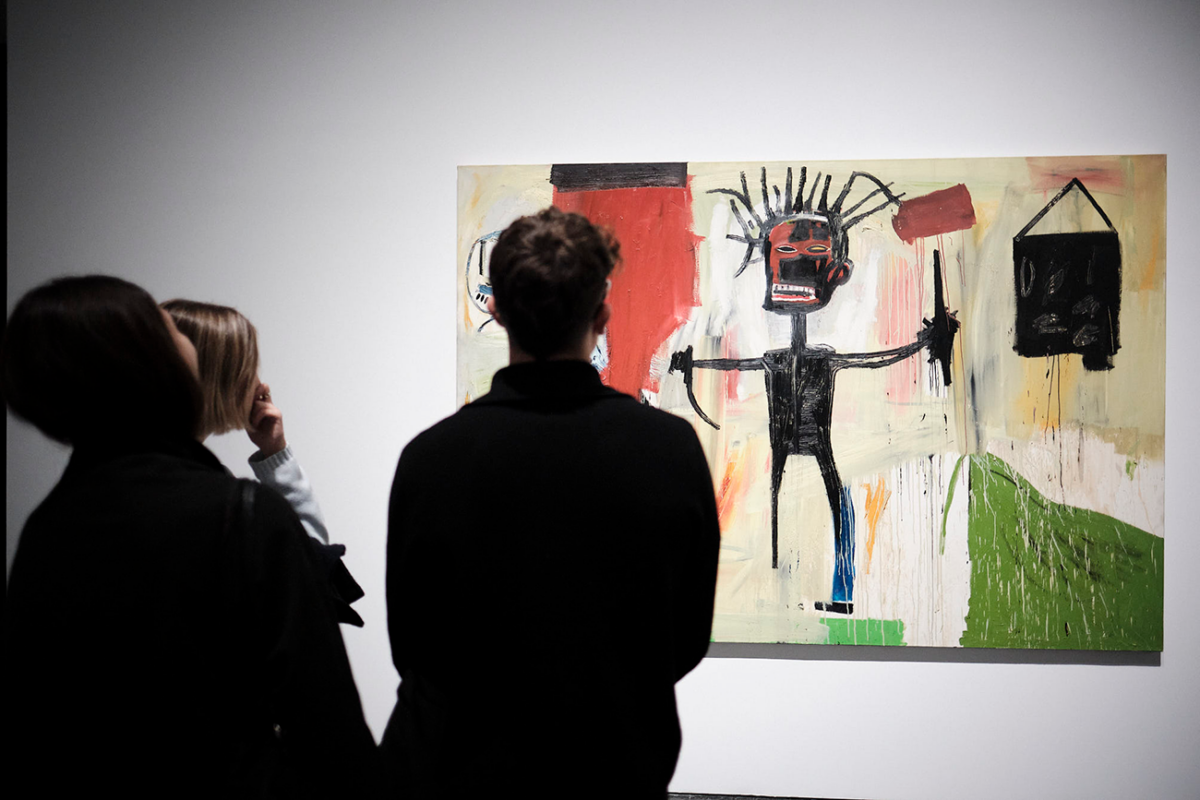
Slow art encourages us to replace haste with curiosity, quantity with depth, and the need to see everything with the pleasure of being surprised. Rooted in the philosophy of the slow movement, which advocates a more mindful relationship with time and everyday experiences, this approach has become increasingly popular in museums. Initiatives such as Slow Art Day, an international event held annually since 2010, encourage visitors to spend more time contemplating a small selection of artworks and then share their impressions.
The idea is simple: spending more time with an artwork allows us to develop a deeper connection with it. Art is not just an image to recognise or a message to decipher: it is also an experience shaped by our emotions, memories and the questions it raises. And you don’t need to be an expert to enjoy it. All it takes is curiosity and a willingness to let yourself be carried away.
One artwork, endless perspectives
What do we see when we look at a painting? How does a sculpture make us feel? Why does one piece move us while another leaves us indifferent? There is no single answer, because there is no single way to approach art.
Faced with the same artwork, each of us discovers different meanings. We bring our own experiences, knowledge and sensitivity to it. Even our own interpretation may change depending on the stage of life we are going through. This is one of art’s greatest qualities: its ability to inspire ever-changing interpretations.
Slow art encourages us to explore this richness. To observe before seeking explanations, to accept that we won’t always understand what is in front of us, and to enjoy the questions as much as the answers. Sometimes, a single artwork is enough to open up an entire universe.
Beyond the icons: six ways to experience slow art
Every museum has its iconic masterpieces. The works featured in guidebooks, the ones we recognise before seeing them in person and that almost everyone wants to admire. But what about the pieces that lie beyond the usual visitor routes?
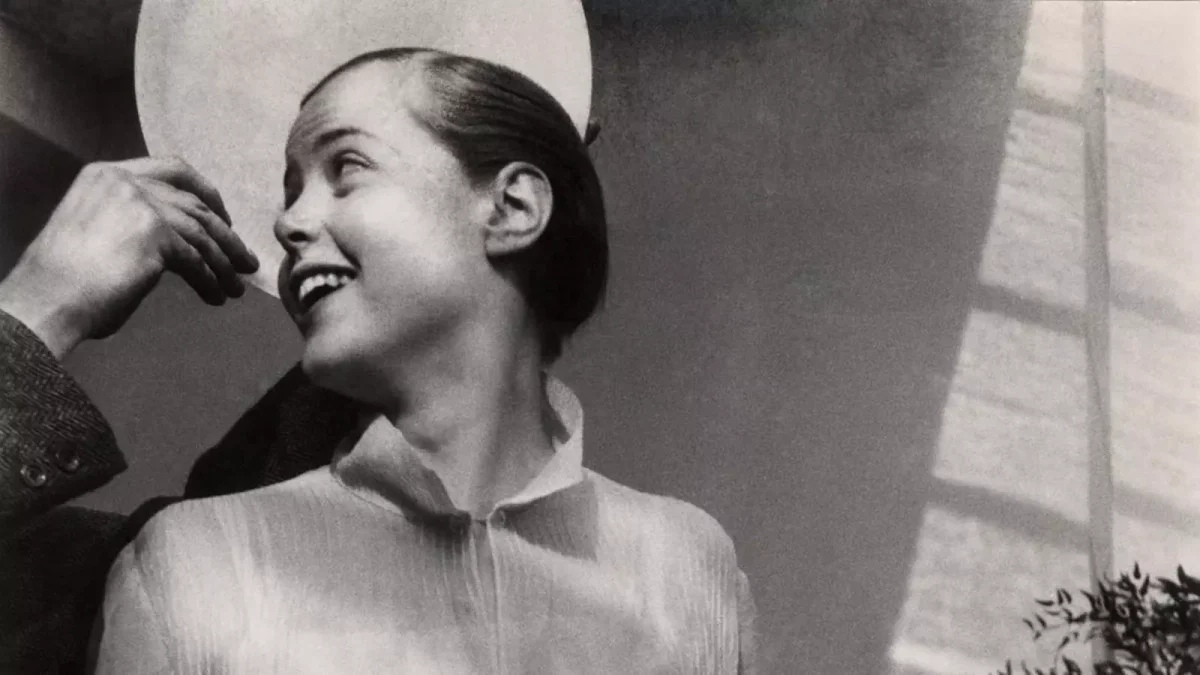
Practising slow art can also be an invitation to leave predictable itineraries behind and be captivated by the unexpected. At the MNAC, for example, we can look beyond the famous Christ in Majesty from Sant Climent de Taüll and delve into the avant-garde through the paintings of Olga Sacharoff. At the Museu Picasso, we can discover the human stories hidden behind lesser-known portraits. Or at the Fundació Joan Miró, explore how the artist experimented with materials and artistic languages that went far beyond painting.
At the MACBA, we can approach a work that initially puzzles us and explore the questions it raises, without feeling the need to find an immediate answer; at the CCCB, we can engage with an idea that challenges what we thought we knew; and the world of the Museu Tàpies reminds us that even the most ordinary objects can hold unexpected expressive possibilities.
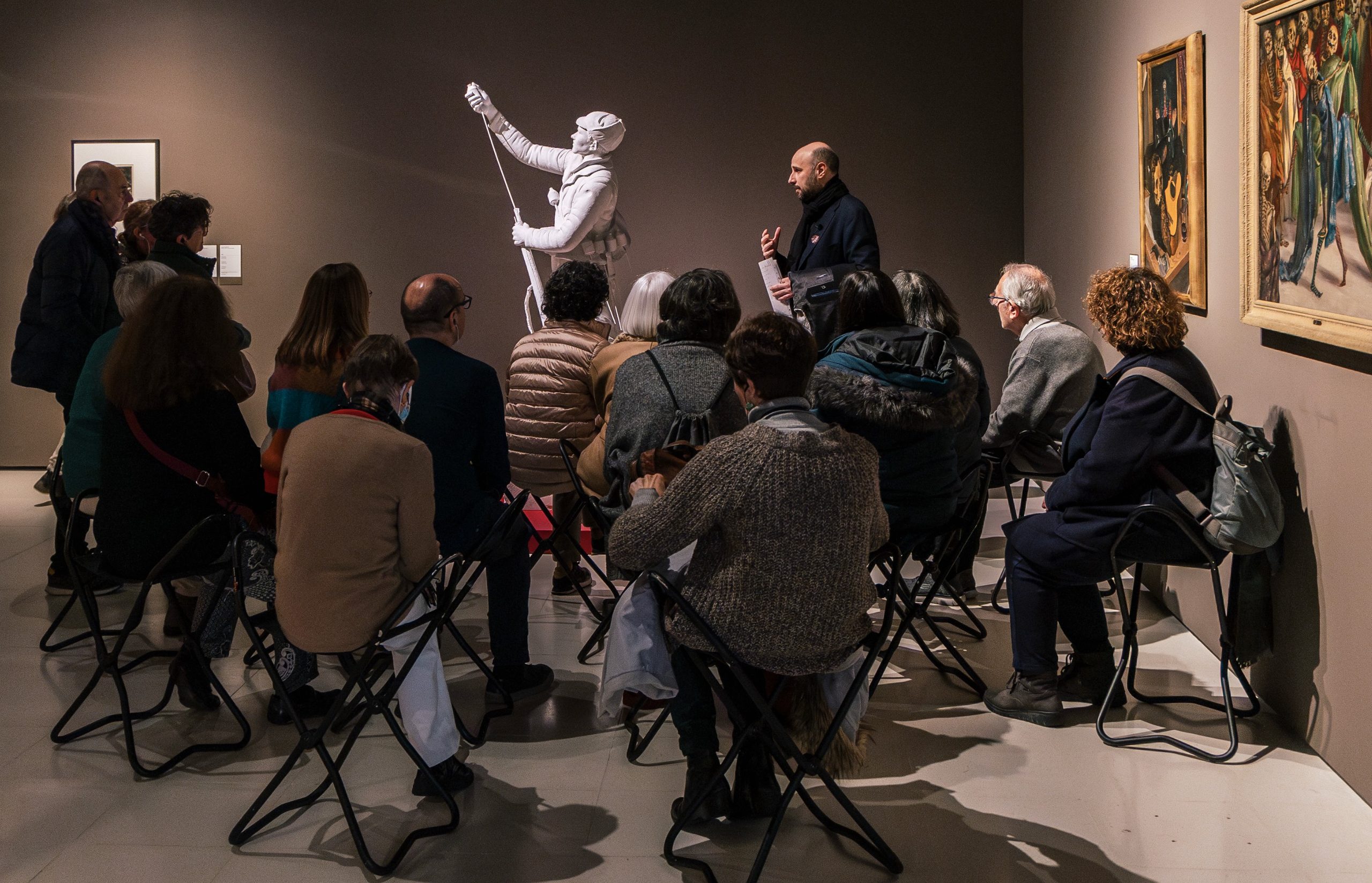
Now, create your own journey
Every museum is full of small discoveries that can become the highlight of a memorable visit. Here’s a simple experiment to try:
- Find an artwork you’ve never seen before. Forget the most famous pieces for a moment and choose something that sparks your curiosity.
- Give it ten minutes. Before reading the label, take time to observe its details, shapes and materials. What draws you in? What puzzles you? What questions does it raise?
- Follow your own thread. Let that first artwork lead you to another. Perhaps they share a colour, a theme, a period or an emotion. Before you know it, you’ll have created a personal itinerary unlike anything you would find in a guidebook.
The great masterpieces will always be there, but museums also hold countless other stories worth telling. All we need to do is give them a chance.
Barcelona, a city to discover through fresh eyes
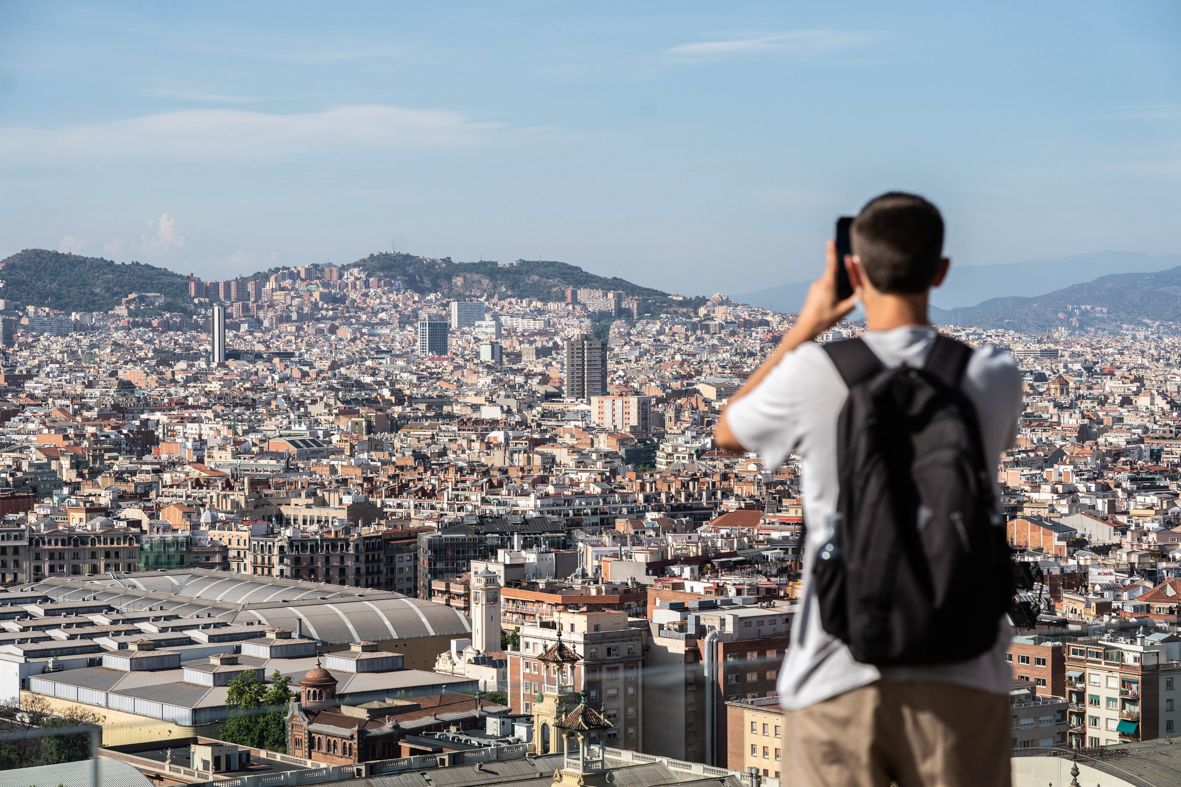
What if we applied this same philosophy to the way we experience a city? Barcelona is full of iconic sights, monuments and places that everyone wants to visit. But beyond the familiar routes, there are many other sides of Barcelona waiting to be explored.
Museums open the door to these different perspectives through the stories, sensibilities and ideas that have helped shape the city. An artwork that stays in our memory, a conversation that continues long after a visit or a question that lingers in our minds can subtly transform the way we perceive our surroundings. A walk through the Born after visiting the Museu Picasso, a quiet moment in the gardens of Montjuïc or an unexpected discovery in the Raval can extend this connection between art and everyday life. In this way, museums become much more than destinations: they are starting points for exploring the city from a new perspective.
Twelve months to experience art at your own pace
With ArticketBCN, this approach to experiencing art also becomes an invitation to enjoy the city with complete freedom. The pass gives you access to six of Barcelona’s leading art museums over twelve months. An entire year to explore different creative worlds, discover unexpected perspectives and find your own rhythm.
You can spend a morning exploring a collection, set aside an afternoon for an exhibition that sparks your curiosity, or turn each museum visit into the starting point for a new journey through Barcelona. There’s no need to fit everything into a single day or follow a fixed itinerary, and you have the freedom to decide when and how you want to enjoy each experience.