When we travel, we often try to see everything: the must-see landmarks, the most photographed streets, the recommended restaurants, the squares featured in every guidebook… But there are cities like Barcelona that require more than a quick visit if we truly want to understand them. And that is where art changes everything. Because stepping into a museum is not stepping away from the city, it is the beginning of understanding it from within.
What the City Doesn’t Reveal at First Sight
Every city has its own way of seeing the world. And that perspective is often preserved in its artworks, in the artists who lived there, and in the cultural spaces that have helped shape its identity.
In Barcelona, for example, each Articket museum reveals a different layer of the city:
At the Picasso Museum, the city is linked to youth, discovery, and the artistic energy of a young Picasso who was still shaping his identity. Walking through the streets of El Born or the Gothic Quarter afterwards feels different when you know he once wandered those same streets in search of inspiration and a future.
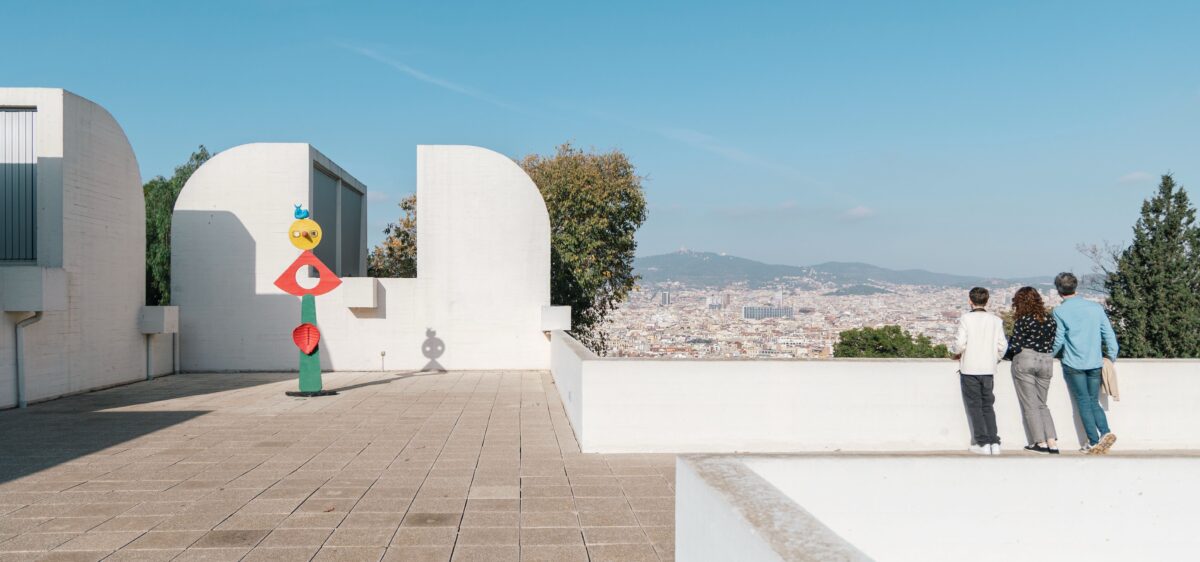
At the Fundació Joan Miró, by contrast, everything seems to converse with the Mediterranean light. The colours, the spaces, and the beauty of Montjuïc transform the visit into an almost physical experience, deeply connected to the landscape and to an idea of creative freedom closely associated with Barcelona and one of its most universal artists: Joan Miró.
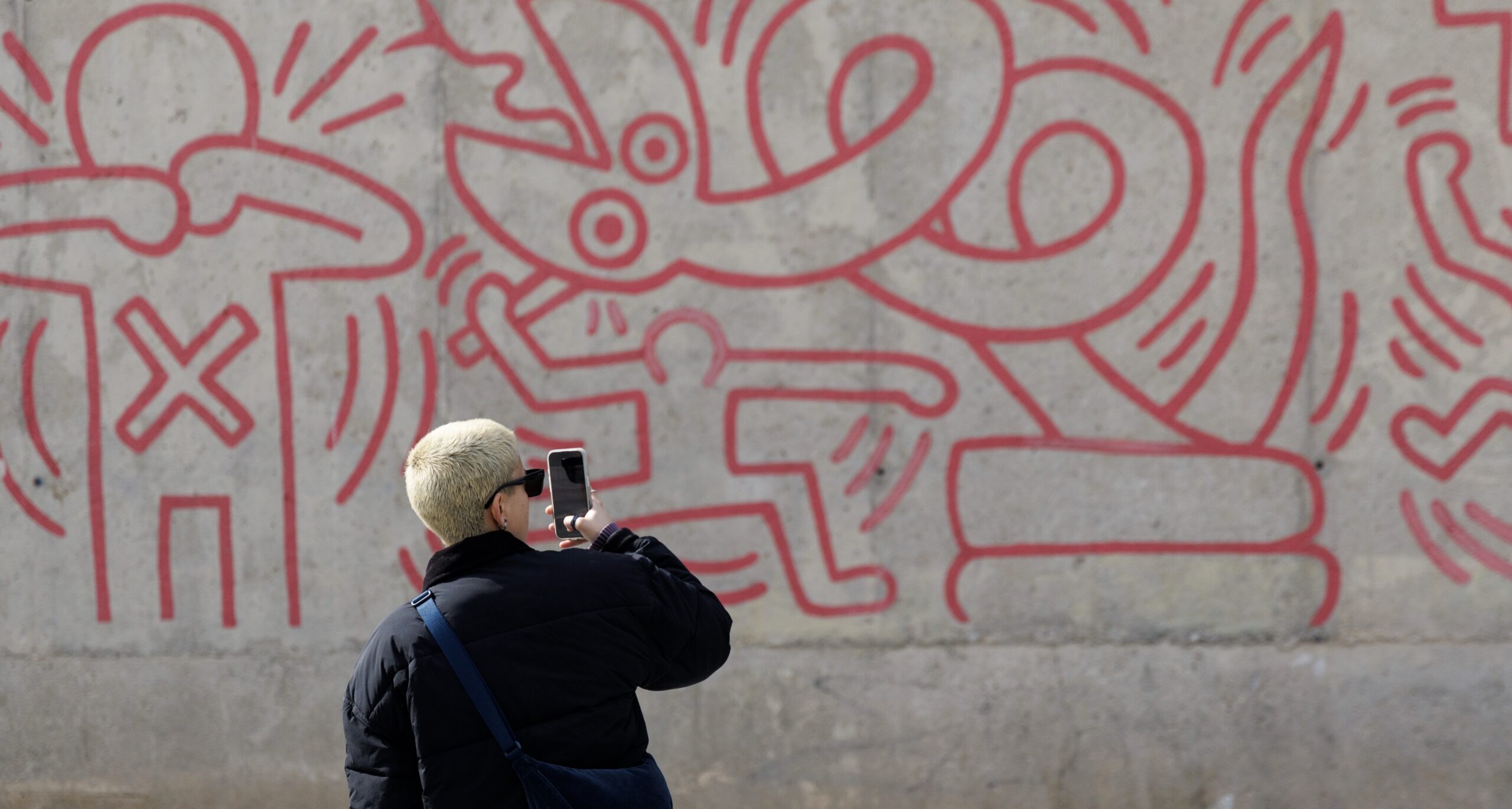
MACBA opens the door to a more contemporary city, restless and constantly evolving. Inside, visitors encounter questions about identity, society, visual culture, and artistic movements that continue to challenge and shape the present. Outside, urban life unfolds in all its diversity, forming part of the same story.
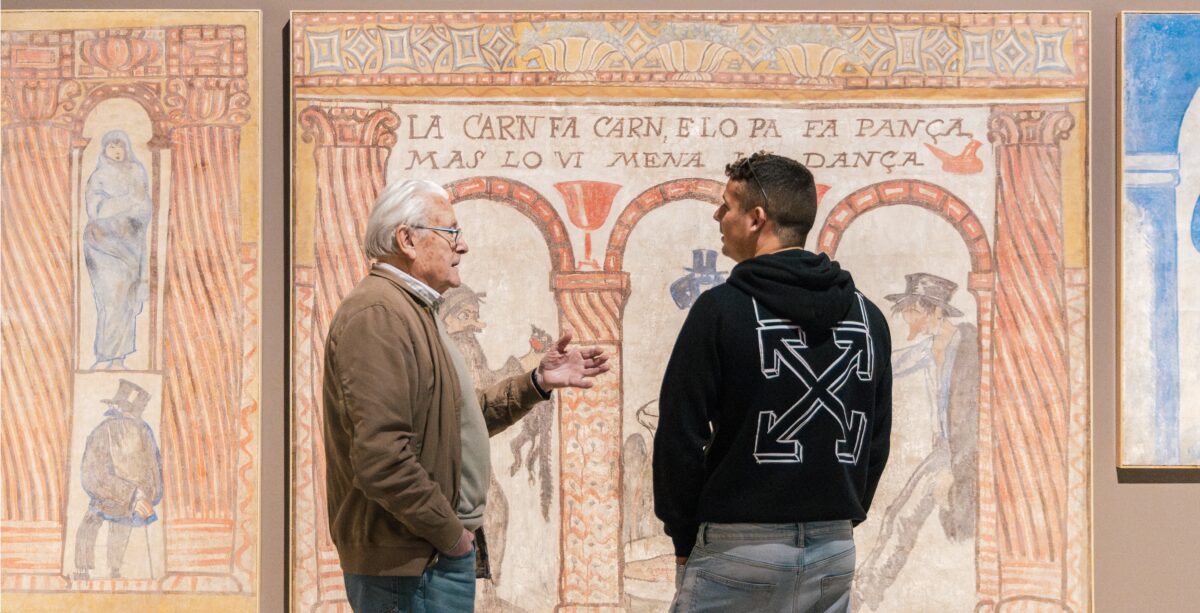
At MNAC, the perspective broadens. Its collections allow visitors to travel through centuries of history and understand how art has helped build the country’s visual memory. All this from one of the most spectacular viewpoints in the city.
Meanwhile, the Museu Tàpies offers a more intimate pause. The textures, materials, and silences of Tàpies’ universe unfold within a former Modernist publishing house, just a short walk from some of the city’s most iconic examples of Modernist architecture: Casa Batlló, Casa Amatller and La Pedrera.
At CCCB, Barcelona engages with the major debates of the contemporary world: the cities of the future, technology, cinema, literature, social challenges, and digital culture. It is a space that reminds us that art is also a way of thinking about the present, and that Barcelona remains one of the world’s great cultural laboratories for imagining the future.
Seeing the City Through Different Eyes
Something else happens when you discover a city through its museums: you begin to walk through it differently. Art takes you to neighbourhoods you might not otherwise explore. It draws you away from the quickest routes and encourages you, almost without noticing, to pay closer attention to everything in between.
For example, you head up to Montjuïc to visit the Joan Miró Foundation or MNAC and find yourself gazing over Barcelona from a place of unexpected calm. You cross El Raval after visiting an exhibition at MACBA or CCCB, and the city feels more vibrant, more complex, and richer in contrasts. You leave the Picasso Museum and wander through the narrow streets of El Born, imagining the bohemian Barcelona of the early twentieth century. Or you discover the Eixample from a new perspective after visiting the Tàpies Museum, finding beauty in details, textures, and corners that had previously gone unnoticed.
Museums do not only transform the way we look at artworks: they also transform the way we look at the city itself. The urban routes we have prepared will help you continue that journey of discovery.
When the City Stays With You
Some trips are remembered for the places we visited, while others remain with us because of how they made us feel. Art has the power to slow time down: it invites us to pause, notice a detail, be moved by an unexpected image, or connect a work of art to something personal.
And when that happens during a journey, the city ceases to be merely a backdrop. It becomes a more intimate experience. Because after stepping into an Articket museum, something changes: the streets no longer look the same, the façades seem to tell more stories, and the city gains new depth.