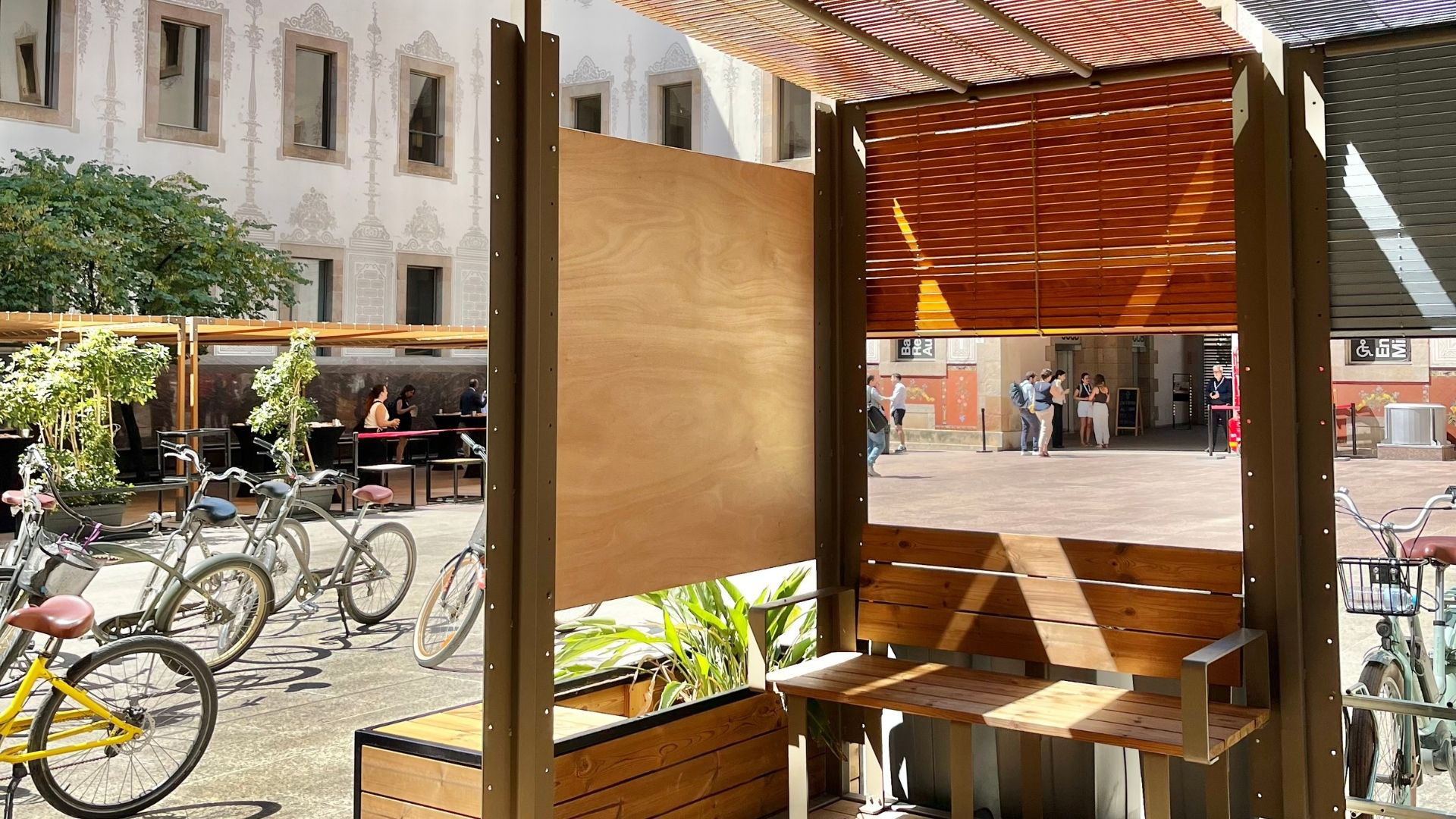
Summer in Barcelona has many faces. There are warm evenings spent outdoors, lively squares, festivals and a cultural calendar that never slows down. But there is also an increasingly evident reality: heatwaves are becoming more frequent and longer-lasting, forcing cities to adapt in order to remain liveable places. This is the context in which the Metropolitan Climate Shelter Network was created, an initiative that identifies public facilities and spaces where people can take refuge from the heat during periods of extreme temperatures. Libraries, civic centres, markets, parks… and museums are all part of this network.
This approach reflects a new way of understanding the city: public facilities do more than provide services -they also contribute to public health and strengthen the city’s ability to adapt to the effects of climate change. These are not spaces designed specifically for this purpose, as they continue to carry out their everyday activities, but they have also become an essential public service, helping to safeguard people’s well-being, especially that of the most vulnerable.
In this context, museums have a particularly meaningful role to play. Traditionally associated with preserving heritage and sharing knowledge, they are now also open, accessible and welcoming spaces. Places where visitors can pause, explore at their own pace, read, talk or simply relax. Places that provide physical comfort while also offering an opportunity to reconnect with culture.
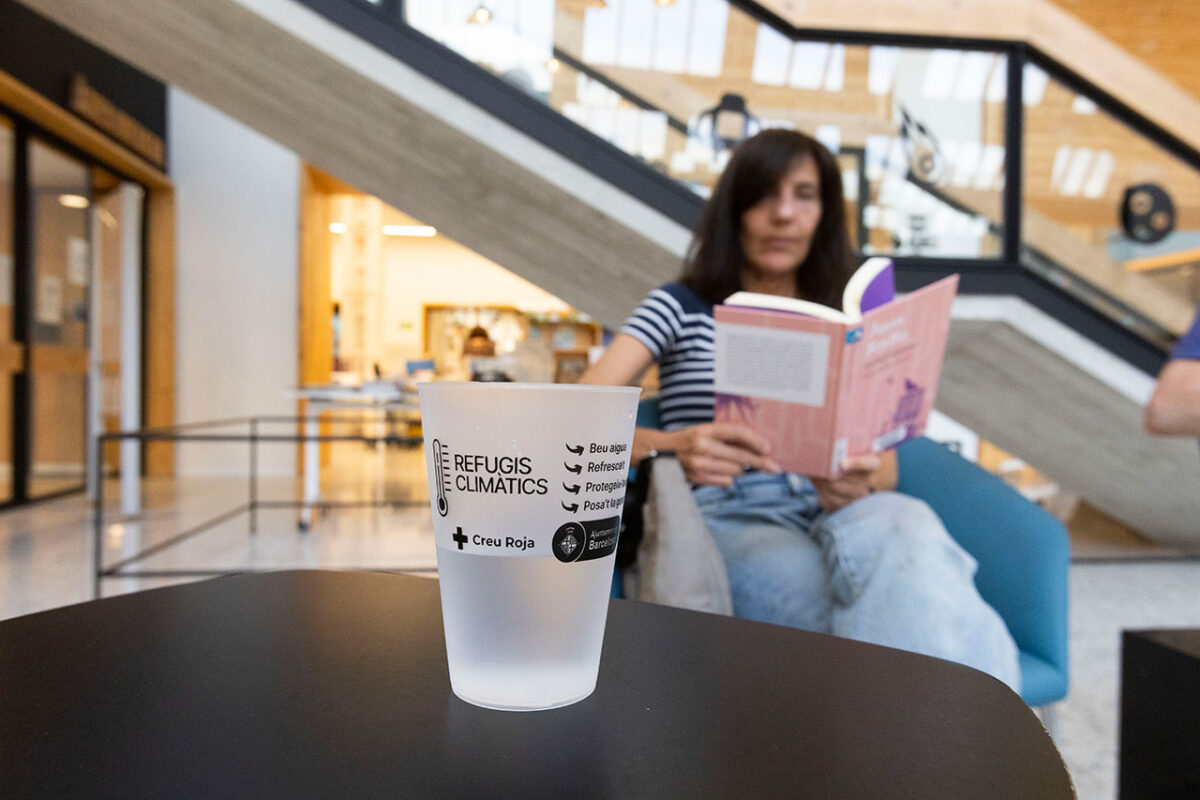
Six museums, six ways of welcoming visitors
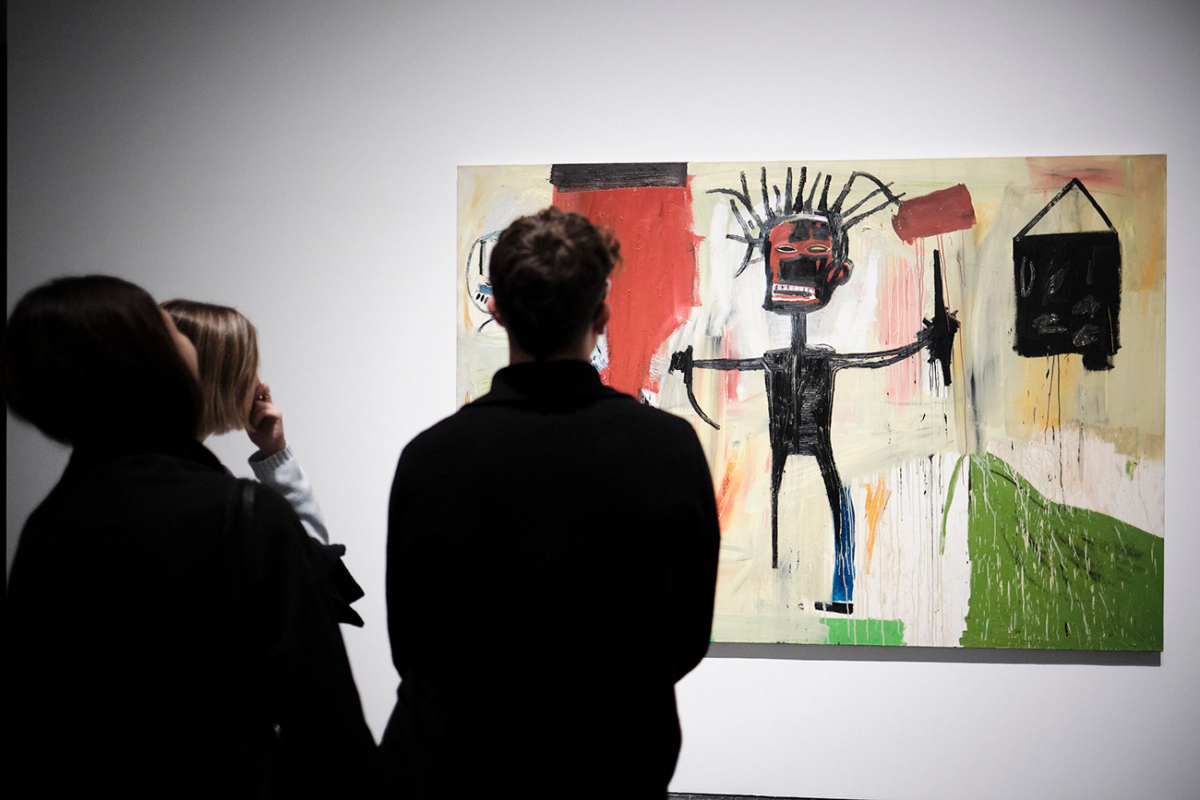
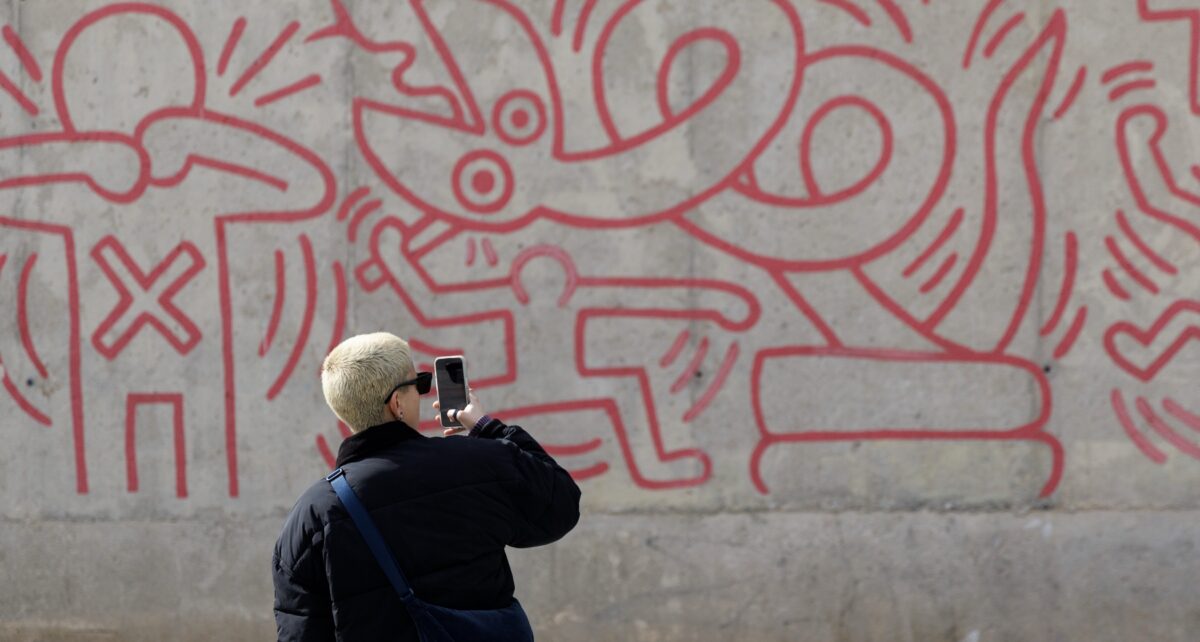
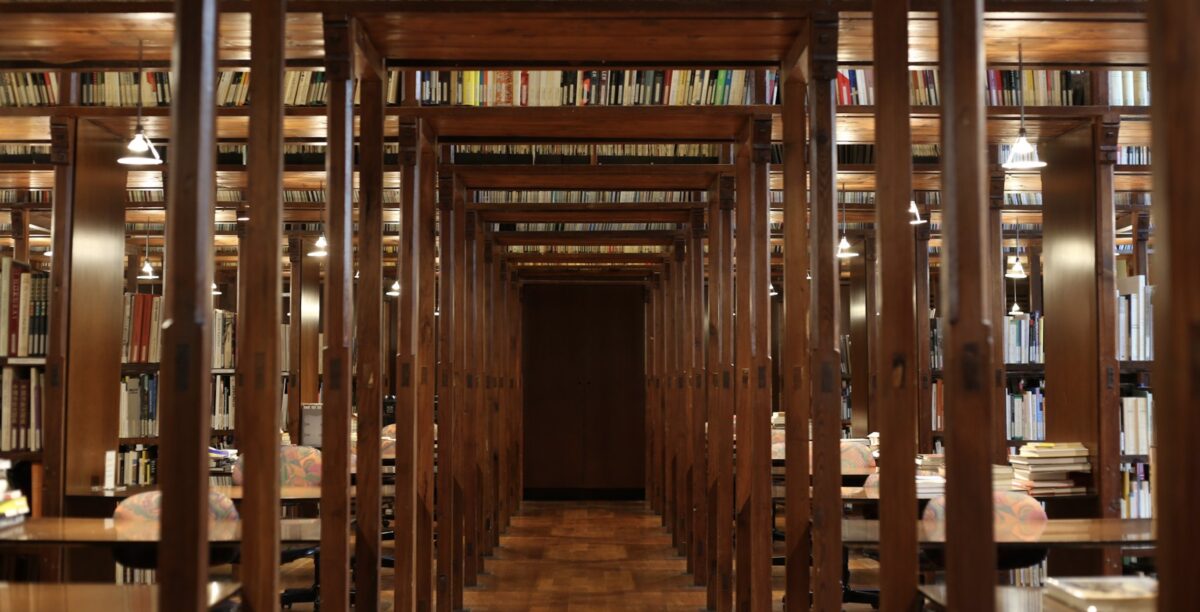
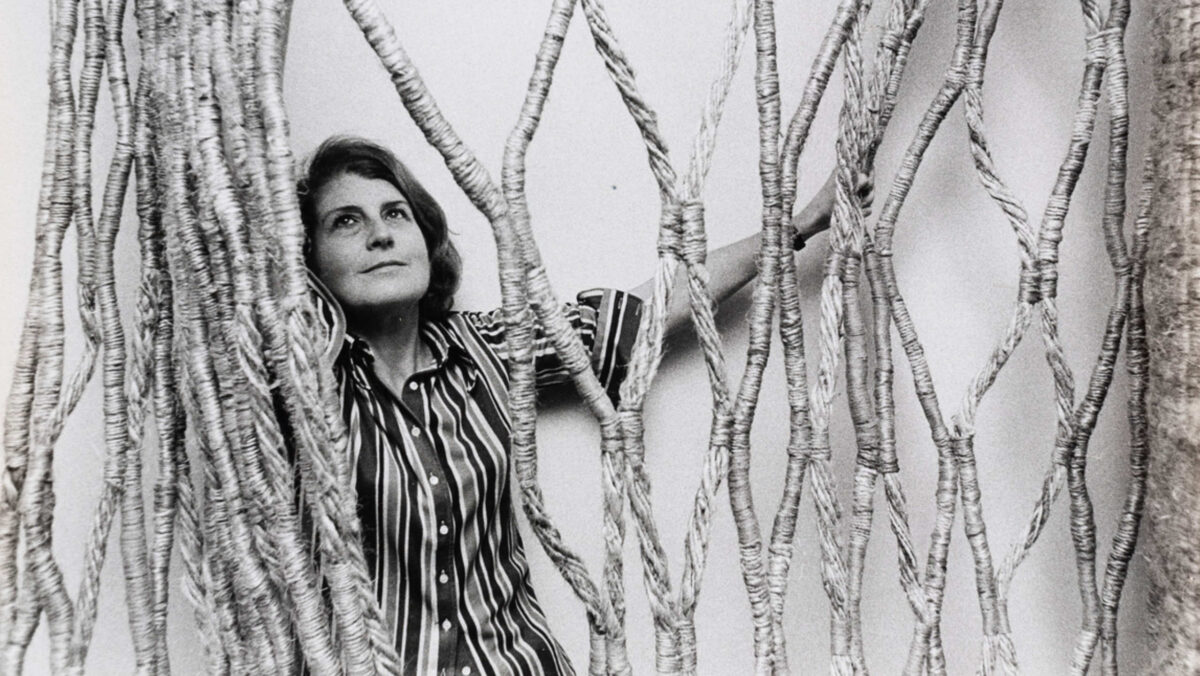
This idea takes different forms across the Articket museums.
At MACBA, for example, the Reading and Family Space is much more than a climate shelter. It is a free space open to everyone that the museum describes as “a place to simply be.” A place to read, create, play, talk or spend time with family. The initiative is part of Planeta MACBA, the museum’s sustainability programme, which integrates environmental responsibility into its management through actions such as reducing its carbon footprint, improving energy efficiency and developing community projects.
At CCCB, the climate shelter extends across the Pati de les Dones—with the L’Ombra installation—as well as its air-conditioned indoor spaces, reading and play areas, drinking fountains and a free programme of activities that turns the centre into a meeting place for the local community throughout the summer. The initiative was recognised with the Barcelona Agenda 2030 + Sustainable Award for the city’s best climate shelter located in a building.
At the Museu Picasso, its medieval palaces, organised around a series of interior courtyards, offer a cool and peaceful atmosphere that invites visitors to discover Picasso’s work and the museum’s temporary exhibitions away from the pace and heat of the city streets.
These are three examples of a new way of understanding museums as active contributors to collective well-being, an approach that is equally present at the Fundació Joan Miró, the Museu Nacional d’Art de Catalunya and the Museu Tàpies.
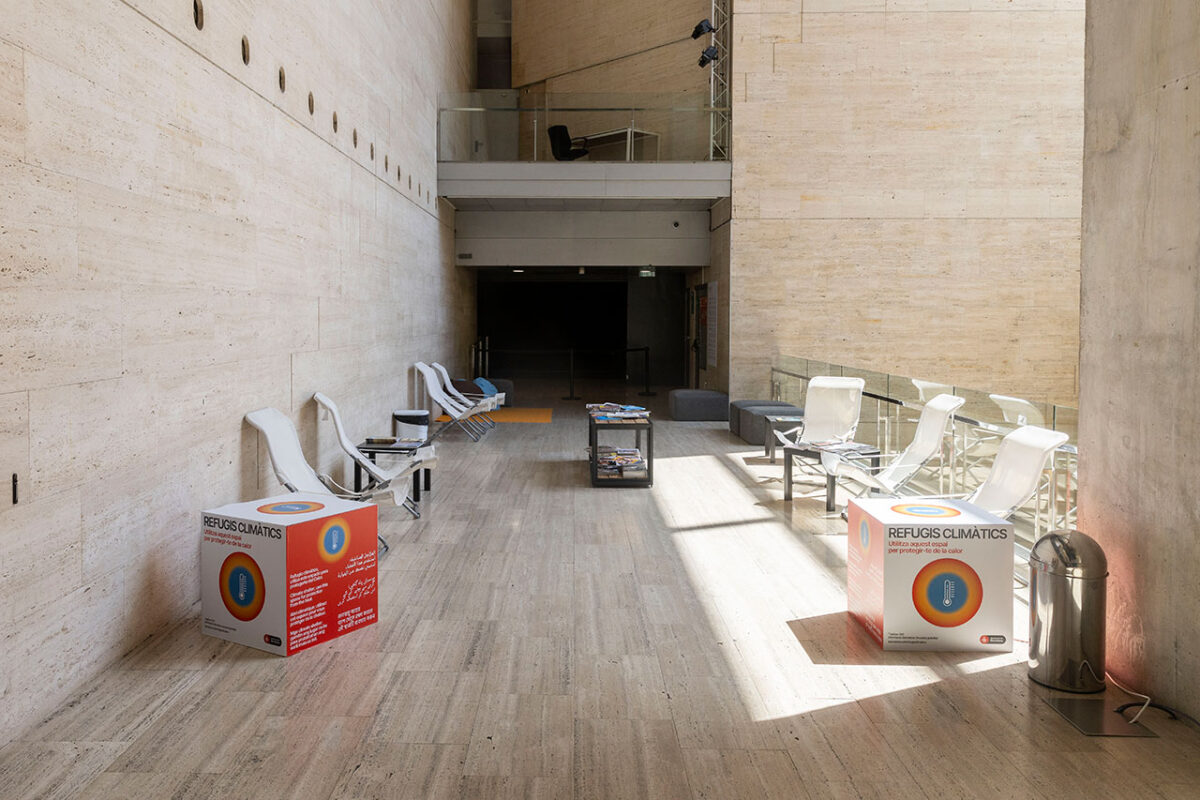
Sustainability also means caring for people
This is probably one of the greatest transformations museums have undergone in the twenty-first century. Sustainability is no longer understood solely in terms of responsible resource management or reducing environmental impact—although these remain essential priorities—but also in terms of creating a positive social impact.
Opening their doors to everyone, creating accessible and welcoming spaces, strengthening ties with local communities and becoming part of the Metropolitan Climate Shelter Network are all different ways of fulfilling the same responsibility: helping to build more liveable cities.