March invites us, year after year, to revisit narratives and refine our gaze. On the occasion of International Women’s Day (8M), the Articket museums become privileged spaces to observe how women artists —and creators in a broad sense— have not only been present in cultural history but have decisively contributed to redefining it. In 2026, the temporary exhibitions of the Articket museums draw a plural map of female creativity that crosses disciplines and languages. Discover them!
Valérie Belin at the Museu Picasso
📅 April 17 – September 6, 2026
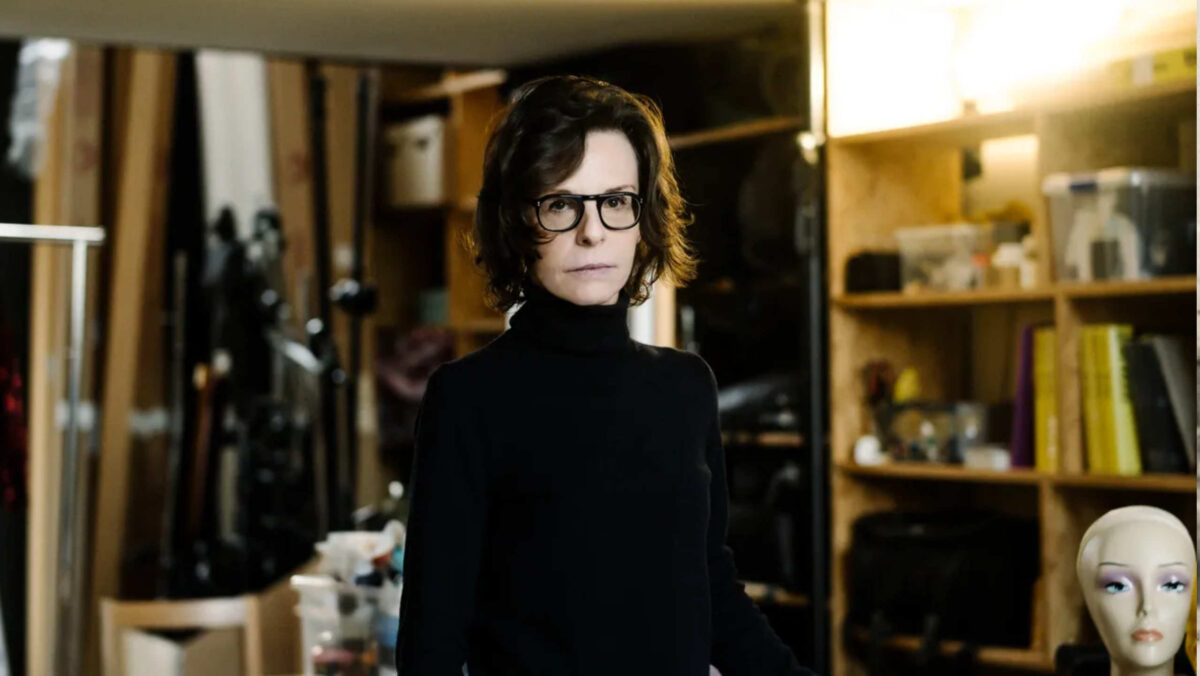
Valérie Belin’s photography arrives at the Museu Picasso questioning the idea of identity in the digital age. Her images, situated on the border between portrait and simulation, blur the limits between the real and the artificial. The figures she portrays —mannequins, models, avatars— reveal an unsettling beauty that forces us to ask what is natural and what is constructed.
Why is it relevant?
Because it brings current debates to the forefront: the hyper-representation of the body, digital filters, and the social construction of the female image.
Mercè Rodoreda at CCCB
📅 Until May 25, 2026
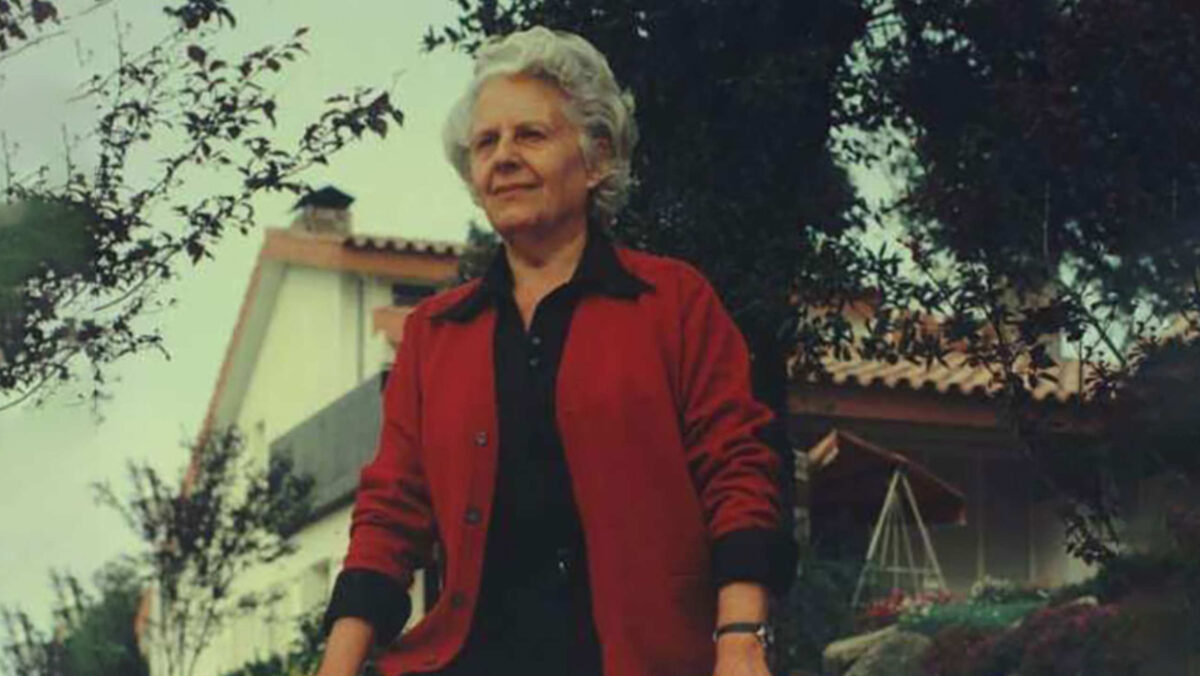
The exhibition Rodoreda, a Forest, hosted by CCCB, is not a conventional retrospective of Mercè Rodoreda’s writing: it is an invitation to inhabit her symbolic landscapes. The forest, a central metaphor, appears as a space of memory, exile and transformation. Manuscripts, personal objects, and audiovisual installations interact to present an author who radically explored female experience, war, solitude, and emotional reconstruction.
Why is it relevant?
Because it positions Rodoreda as a major european voice and connects her work with contemporary issues such as exile, identity and creation.
Cristina Lucas at Museu Tàpies
📅 October 15, 2026 – February 7, 2027
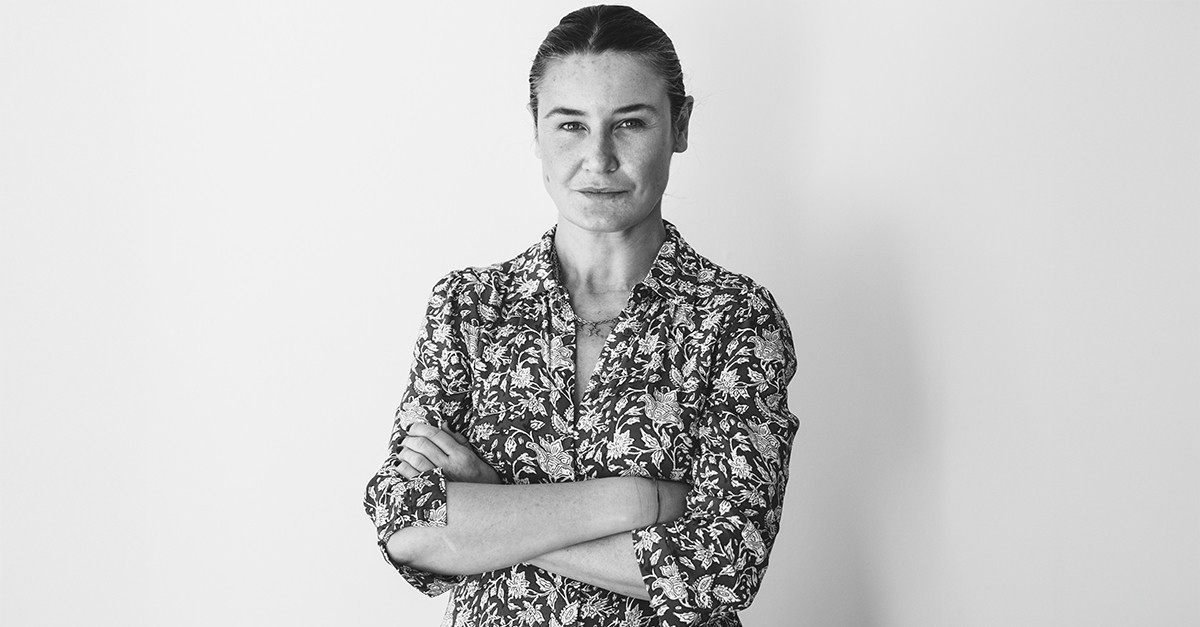
In the exhibition E-Conmotion at Museu Tàpies, Cristina Lucas invites us to observe how technical and economic progress is not neutral but a field of symbolic and material dispute. Through methacrylate triptychs made from the materials of each industrial revolution —coal, oil, silicon, microchips— she constructs a material narrative of history. Her installations map conflicts, migrations, and flows of power, revealing how bodies move within structures that condition them.
Why is it relevant?
Because it connects art and geopolitics through a critical and feminist lens, showing how the sensory and emotional are also battlegrounds.
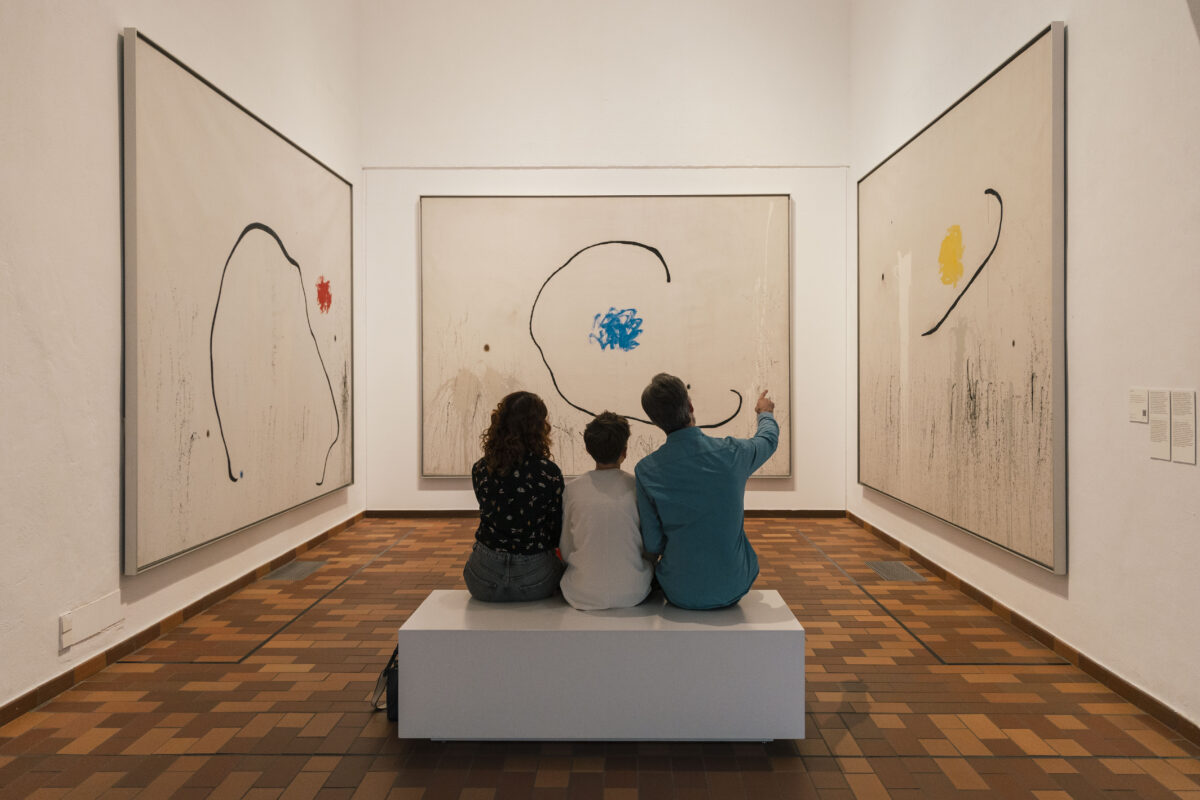
Charlotte Perriand at Fundació Joan Miró
📅 October 6, 2026 – March 28, 2027
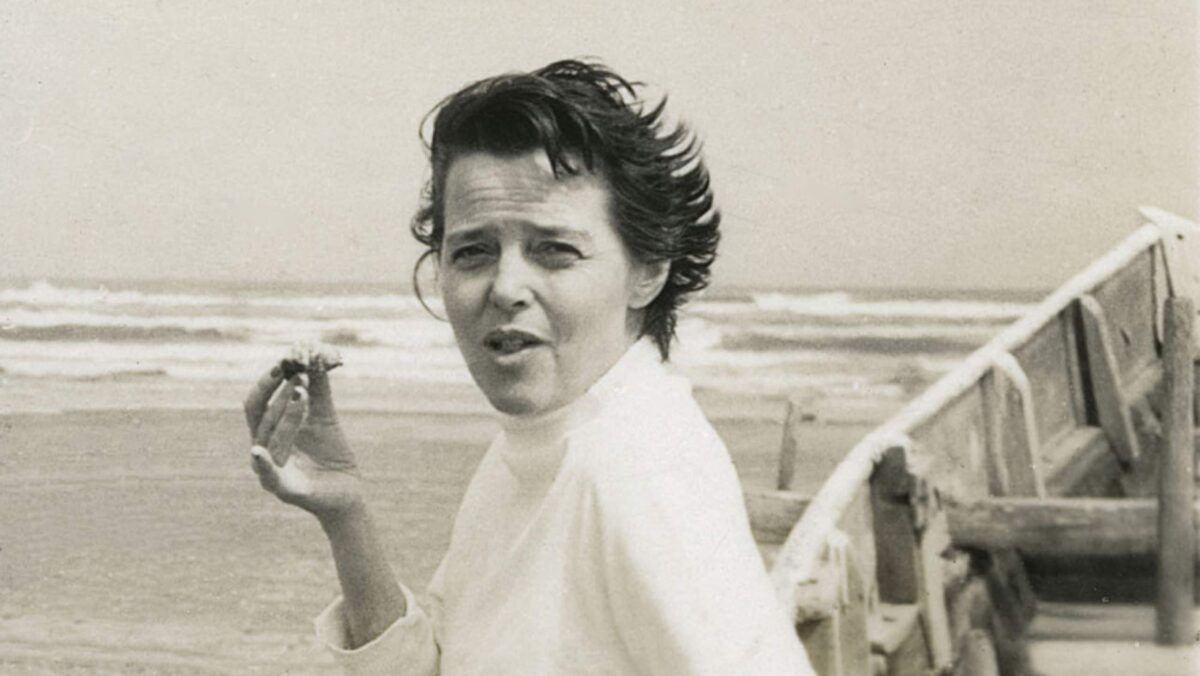
Fundació Joan Miró presents a major anthological exhibition dedicated to Charlotte Perriand, a key figure in modern design. One of the few women who entered the great temple of modern architectural and urban creation, the Atelier Le Corbusier, not as an assistant but as a creator with her own voice. From those early years, she defended a key idea: that art, architecture, and design are inseparable — a synthesis capable of changing the way we live.
Why is it relevant?
Because it reclaims women’s role in design history and connects modernity and the present through the idea of inhabiting the world responsibly.
Aurèlia Muñoz at MACBA
📅 November 5, 2026 – March 29, 2027
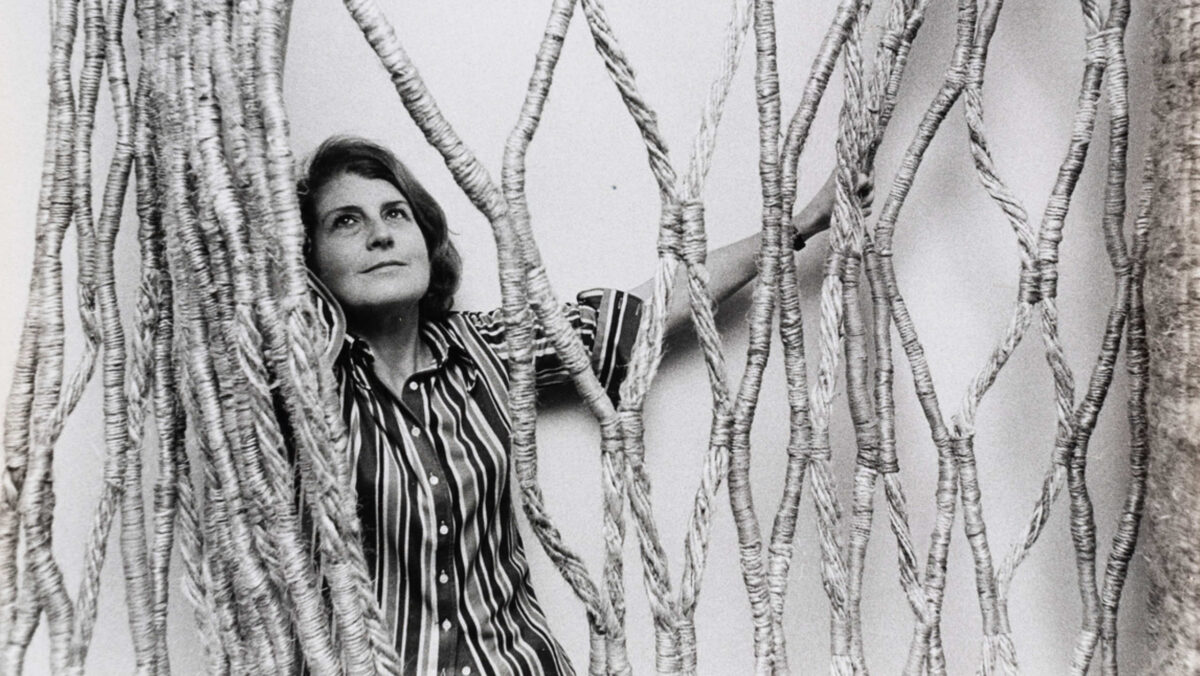
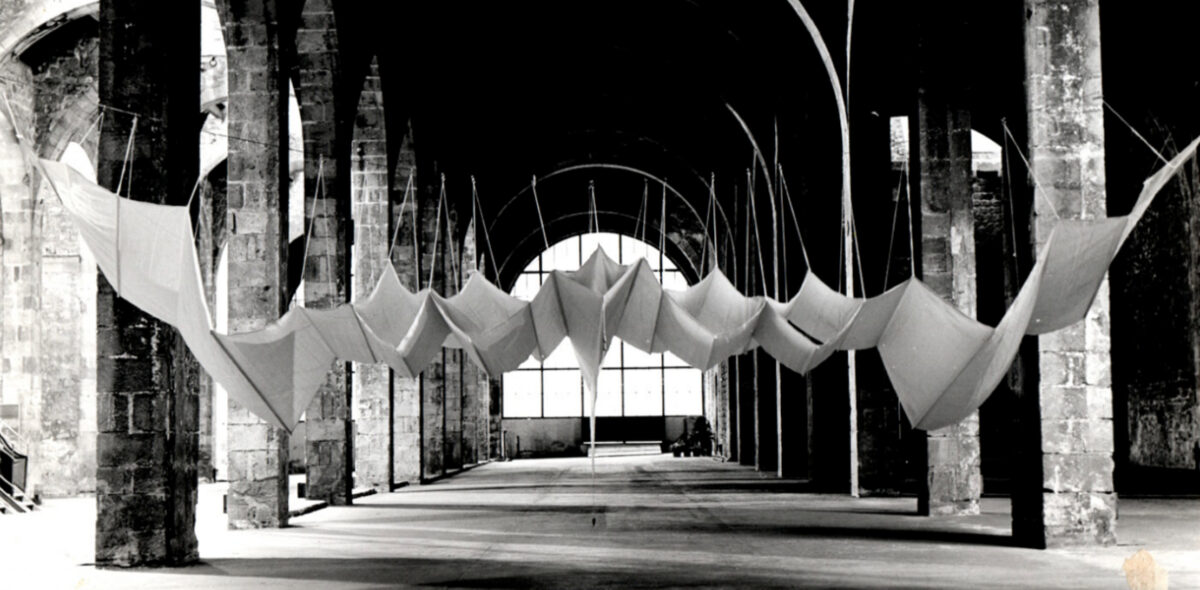
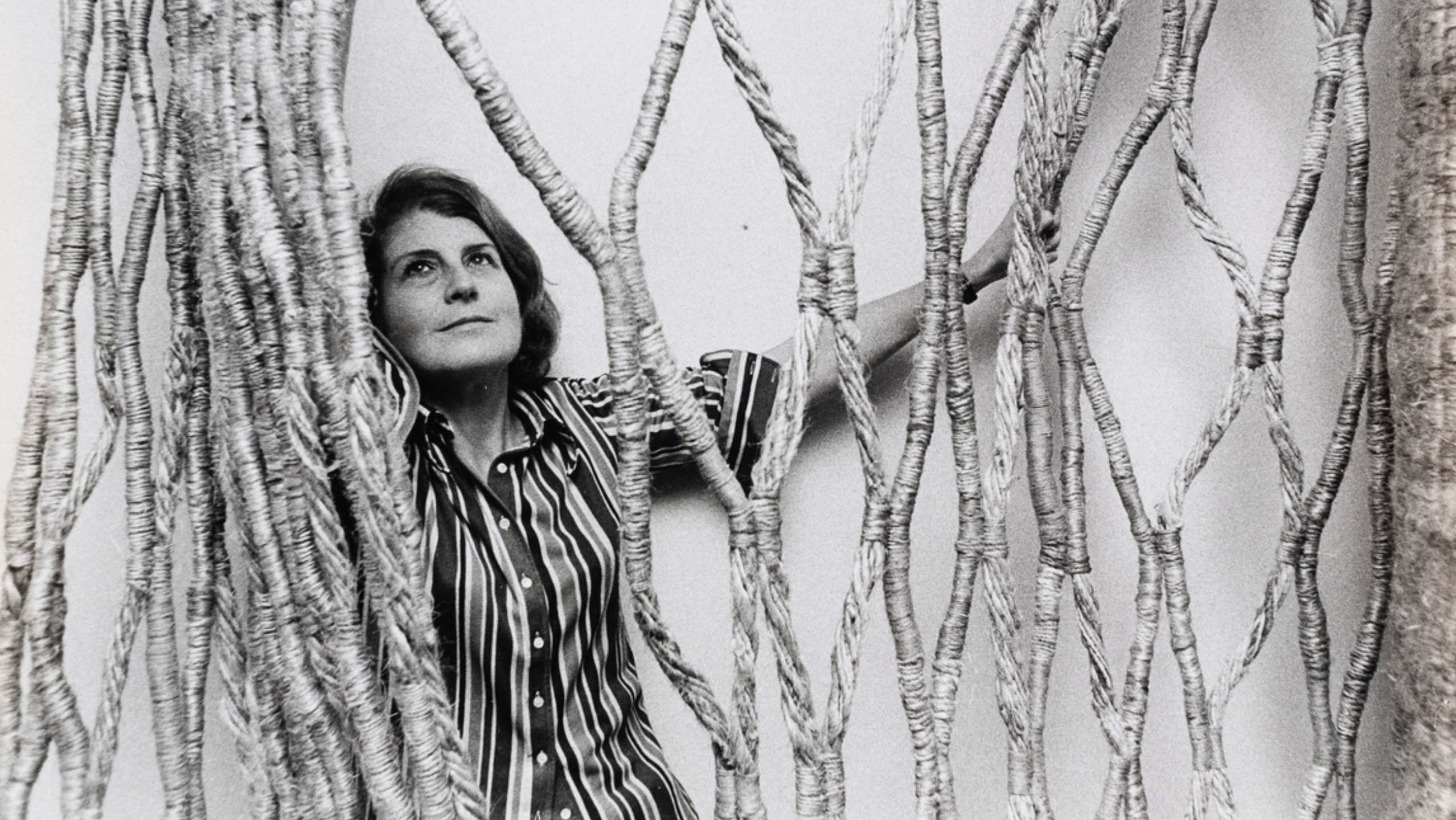
With the retrospective exhibition Aurèlia Muñoz. Ens, MACBA revisits more than 50 years of the multifaceted practice of Aurèlia Muñoz, a pioneer in the renewal of contemporary textile art both within and beyond Catalonia. Her natural-fiber sculptures transform fabric into architecture and landscape. Combining ancestral techniques and contemporary resources, Muñoz responded to the emerging crises of the post-industrial world, paying attention to impacts on terrestrial, aquatic and aerial ecosystems — major themes in her work.
Why is it relevant?
Because it elevates textile art —historically associated with the domestic sphere— to the category of avant-garde, questioning artistic and gender hierarchies.
Mar Arza at MNAC
📅 Throughout 2026
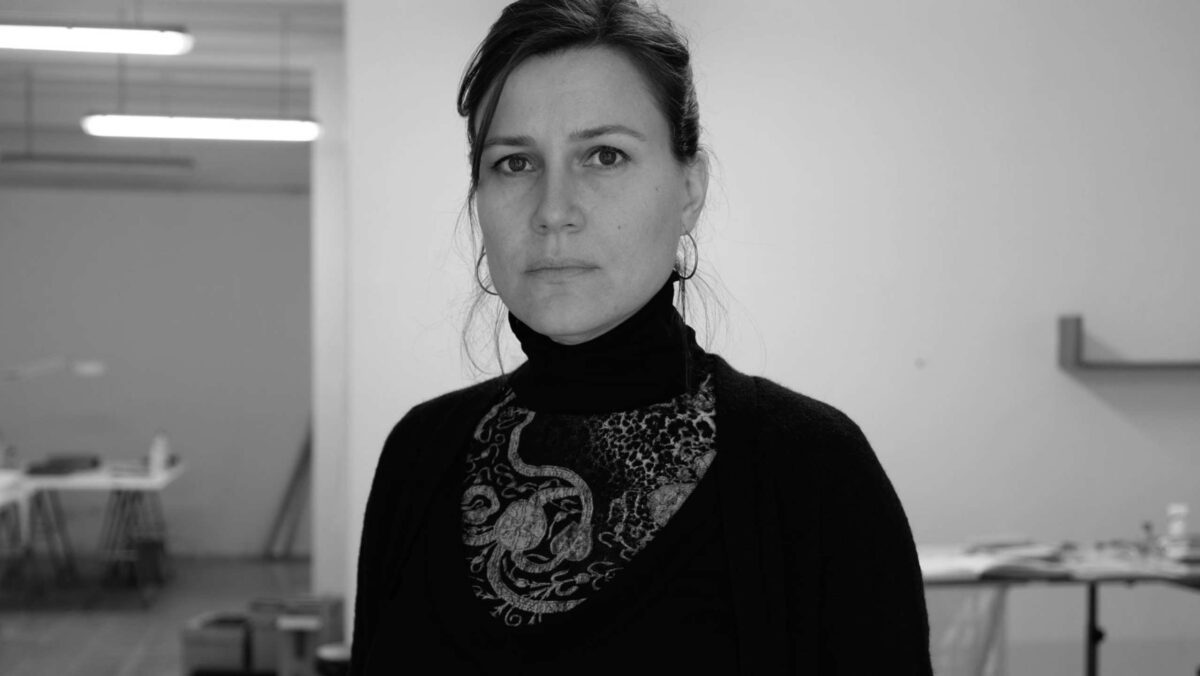
Artist Mar Arza, who investigates language, memory and power structures through words and matter, presents at MNAC the intervention Strappo. Patriarchy does not fall by chance, based on the strappo technique used to detach mural paintings. From this gesture, the piece establishes a dialogue between absence and trace to reveal how structures of domination remain inscribed in space and collective memory.
Why is it relevant?
Because it transforms a technique linked to heritage conservation into a critical tool to question patriarchy, exposing structures of power.